The Experience-Driven Mindset: Why It Actually Matters for Enterprise IT
IT success is more than uptime and SLAs. See why an experience-driven mindset helps enterprise IT build simple tools that people actually want to use.

By Daniel Keith · 3 min read
 Expand image
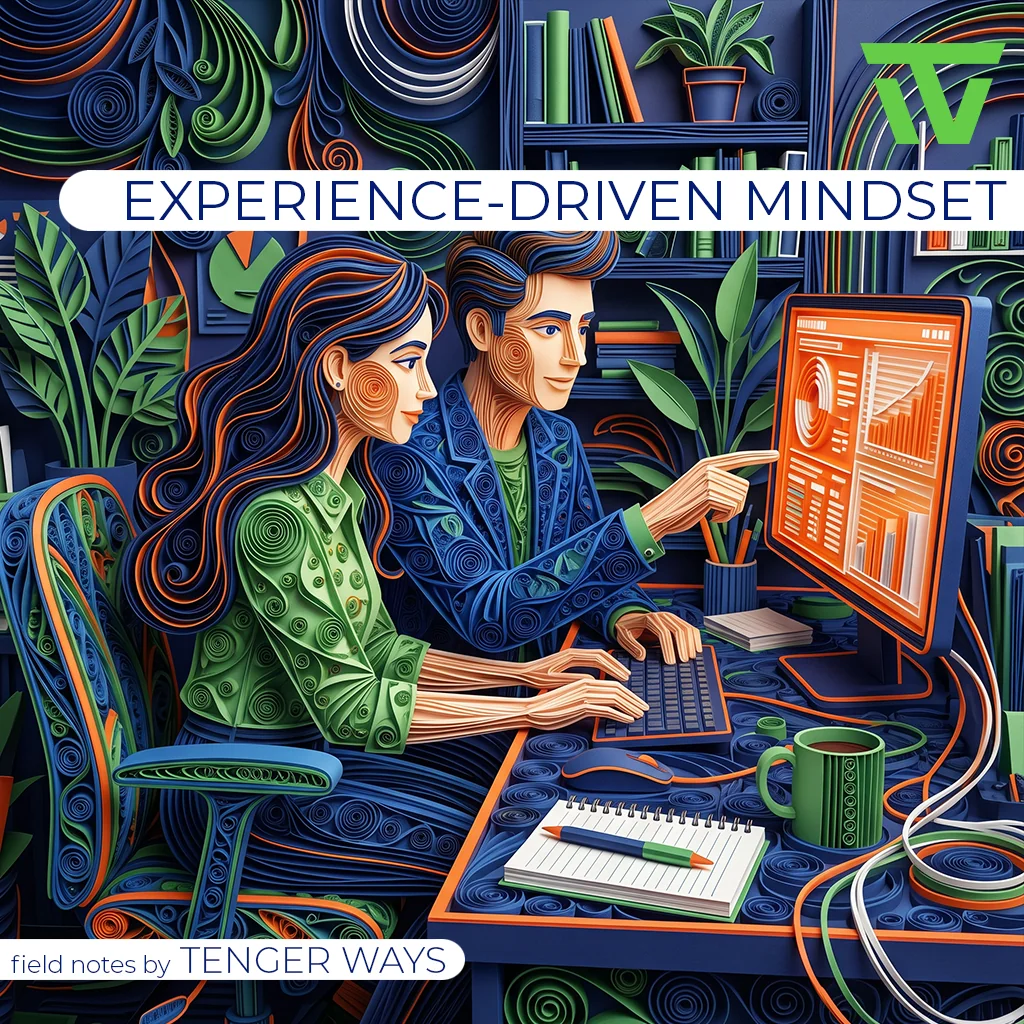
I was talking to a CTO the other day who expressed a sentiment many in IT can relate to: “We’ve got all the right tech, but somehow we’re still getting everything wrong.” Sound familiar? It’s not about lazy teams or tight budgets. It’s about mindset. Too many IT departments are still hung up on uptime stats and SLAs, while the real issue is staring them in the face: does the tech actually work for the people using it?
The Story
There’s nothing wrong with being data-driven. You should be. But taking a data-driven approach instead of an experience-driven one creates an antagonistic dynamic between the people in a functional role and your technologists.
We worked with a mid-sized client that had about 20 people in IT, from the help desk to architects to infrastructure engineers. IT leadership wanted visibility into what their technologists were doing, because the experience of their end users, from business developers to mid-level managers to VPs and other executives, was overwhelmingly negative. The mentality was that IT was not serving their constituents. Some departments had begun standing up shadow IT. Some had even convinced the C-level to let them submit RFPs for technology work, instead of “waiting around for IT to do it for them.”
IT leadership had us perform a Tenger Forensic, a diagnostic engagement that helps an organization with a known issue figure out the causes and how to resolve them. Clients usually arrive with an expected diagnosis, and they are not always right. These IT leaders expected us to say they needed better day-to-day visibility, clearer reporting from incoming requests to completion, dashboards so the business could see how work was prioritized, and more detail on how technologists were using their time.
All of that is certainly important. But we discovered there was little connection between what the technologists were being asked to do and what the functional team members wanted done. The technologists had no holistic perspective on the problems the business was experiencing. There were no ride-alongs, no sit-downs, and no discussions about the actual end-user experience. It was a transactional relationship: they took the order and tried to fulfill it. There were meetings, but no well-defined process for capturing the end-user experience and turning it into the functionality they were building.
That organization changed its entire approach to IT Operations. Over the next six months, they did build the dashboards, measured time to resolution more carefully, and became more intentional about SLAs. They also took a more human approach: sitting down with end users, building visual mockups, diagramming the workflow from screen to screen, and holding weekly (sometimes twice-weekly) playbacks so people could experience what had been built. They defined Acceptance Criteria around the user’s experience. The company started to trust IT Operations again, and the dynamic changed from a transactional relationship to one of trust and collaboration.
“We’ve got all the right tech, but somehow we’re still getting everything wrong.”
The Bottom Line
Every IT choice you make affects someone’s day. It either clears their path or throws up roadblocks. The companies that get this, and act on it, will outpace the rest. Not because their tech is flashier, but because it works better for the people using it.
Next time you’re planning a system upgrade, ask one question: “How will this make our users’ lives easier?” If you can’t clearly explain how, go back to the drawing board. That’s the upgrade that will make all the difference.
Do This on Monday
You don’t need to gut your systems or start over. It’s about a mindset shift and weaving user experience into every decision. Here’s how:
- Step out of the IT bubble. See how people actually use your tools.
- Prioritize simplicity: fix the biggest pain points first.
- Get feedback fast. Don’t wait for annual reviews to spot issues.
- Build empathy in your technologists: make sure they care about users as much as they care about code.
If you’re grappling with this, let’s talk. Every business is unique, but one truth holds: better experiences drive better results. Let’s make it happen. Contact Us to keep the conversation going.